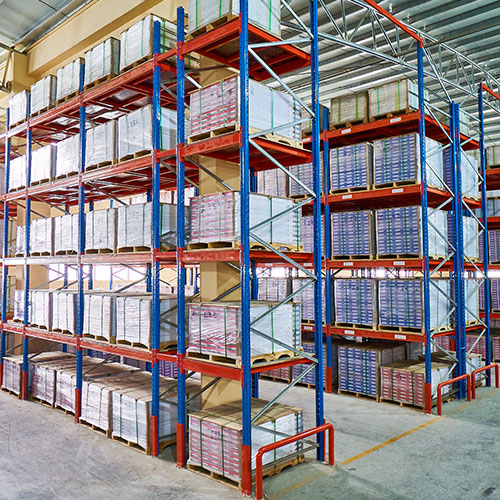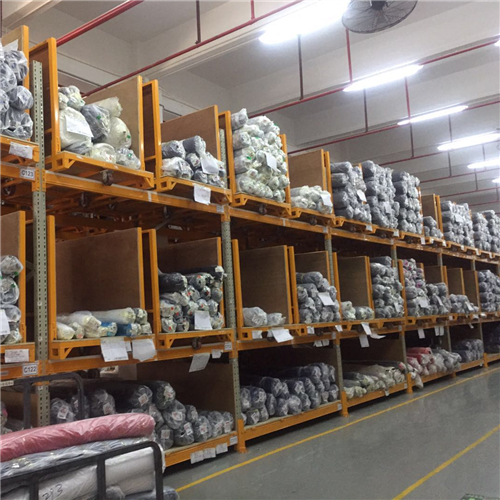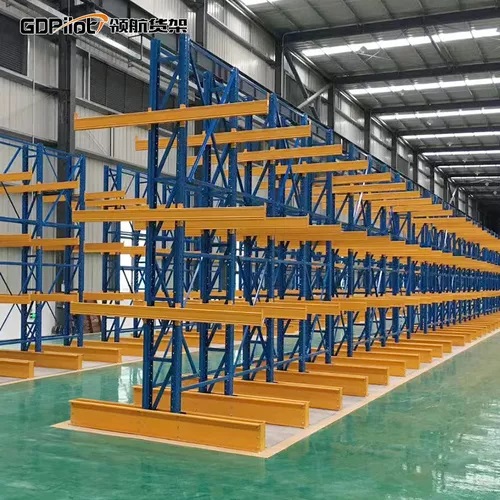
16 years of experience in the warehousing equipment industry
A comprehensive enterprise integrating research and development, production, sales, and installation

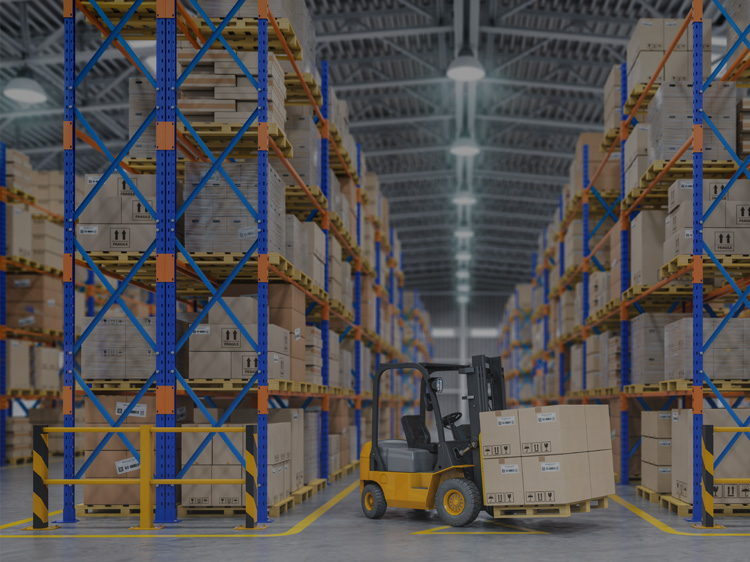
WE MAKE RACKING PROFESSIONAL
Specialize in heavy duty rack and mezzanine rack.
Unlock New Warehouse Space Eight Core Advantages of Mezzanine Racking
In today's era of high land costs, warehouse space utilization directly affects an enterprise's operational costs and turnover efficiency.
Faced with the height limitations that traditional shelving cannot break through, mezzanine racking,
with its multi-layer three-dimensional structure design, has become a space expansion artifact for numerous industrial factories,
e-commerce warehouses, and hardware and auto parts markets. This article will deeply analyze the core advantages
of mezzanine racking and show you how it improves the quality and efficiency of warehouse management.
1. Maximize Vertical Space Utilization and Double Warehouse Storage Capacity
The height of conventional warehouses generally ranges from 5 to 10 meters. Single-layer shelving can
only utilize 2 to 3 meters of space at the bottom, leaving a large area above idle. By building a steel structure or steel platform interlayer,
mezzanine racking upgrades the warehouse from single-layer flat storage to double-layer or multi-layer three-dimensional storage,
directly increasing vertical space utilization by 80%-150%. For warehouses with large floor areas and sufficient height,
there is no need to rent additional new venues. Only by installing mezzanine racking can storage capacity be easily doubled,
greatly reducing venue rental costs.
2. More Flexible Zoned Storage, Adapting to Multi-category Goods Management
The upper and lower layers of mezzanine racking can be flexibly zoned according to the characteristics of goods.
The lower space has sufficient height, suitable for storing heavy pallet goods, large equipment, and frequently turned-over commodities.
It can complete fast access with the help of forklifts, pallet trucks and other equipment. The upper space can be used to store light goods,
small and medium-sized commodities, and inventory with low turnover frequency.
Goods can be moved up and down through stairs or hydraulic lifting platforms, realizing a scientific storage layout of
heavy goods placed below and light goods placed above. In addition, the mezzanine area can be divided into
multiple independent positions as needed, meeting the classified management needs of multi-category and multi-batch goods,
making the warehouse layout clearer.
3. Stable Structure and Strong Load-bearing Capacity, with Guaranteed Safety Performance
High-quality mezzanine racking is built with thickened cold-rolled steel columns, beams and floor bearing plates.
Patterned steel plates or grid plates can be selected for some load-bearing areas to enhance anti-skid performance and structural stability.
After professional mechanical design and load-bearing testing, the single-layer load-bearing capacity of conventional mezzanine racking
can reach 300-1000kg/㎡, which is sufficient to meet the cargo bearing needs of most industrial and commercial warehouses.
At the same time, the shelving can be equipped with guardrails, anti-skid strips, safety doors and other protective accessories,
effectively preventing goods from falling and ensuring the personal safety of warehouse operators.
4. Customized Design, Adapting to Different Warehouses and Goods Types
One of the biggest advantages of mezzanine racking is high customization. Professional manufacturers can tailor exclusive solutions
according to the actual height, span and load-bearing requirements of the warehouse, as well as the size,
weight and access method of goods. Whether it is a large-span column-free design, a multi-layer interlayer structure,
a high-level mezzanine compatible with forklift operations, or a low-level platform for manual access,
it can accurately meet customer needs. In addition, mezzanine racking can be used in combination with heavy-duty racking
and medium-duty racking to further improve the compatibility and practicality of the warehousing system.
5. Reduce Manpower and Equipment Input, Improve Operation Efficiency
The lower space of mezzanine racking can be directly connected to forklifts, pallet trucks and other equipment
to realize fast loading and unloading of heavy goods. The upper space is connected through stairs or lifting platforms,
suitable for manual picking and inventory operations, without the need for additional investment in large lifting equipment.
This man-machine division of labor operation mode not only reduces the purchase and maintenance costs of heavy equipment,
but also allows manual workers to focus on refined picking, greatly improving warehouse operation efficiency.
At the same time, the clear zoned layout shortens the access path of goods and reduces the labor intensity of operators.
6. Integrating Storage and Office Functions, Realizing Warehouse-Office Integration
For small and medium-sized enterprises with tight space, the upper area of mezzanine racking can not only store goods,
but also be transformed into temporary office areas, quality inspection areas and packaging areas.
By building partitions and laying floors, an independent office space can be created in the warehouse,
realizing integrated warehousing + office operation. This design not only saves the cost of renting a separate office,
but also enables staff to seamlessly connect with the warehouse area, improving the efficiency of order processing and cargo scheduling.
7. Convenient Installation and Detachable, with High Flexibility for Later Renovation
Mezzanine racking adopts a modular assembly design. All components are prefabricated in the factory,
and only need to be fixed and spliced with bolts on site. The installation cycle is short, and it will not cause
destructive damage to the warehouse floor and walls. When an enterprise faces warehouse relocation or changes in storage needs,
the mezzanine racking can be quickly disassembled, transported and reassembled, with high reuse rate. In addition,
the number of mezzanine layers can be flexibly increased or decreased and the height of the shelving can be adjusted
according to the business development needs in the later stage, meeting the warehouse expansion needs of enterprises at different stages.
8. Outstanding Cost Performance, with More Optimal Long-term Use Cost
Compared with building concrete interlayers, mezzanine racking has lower initial investment,
shorter construction period and faster return speed. Taking a warehouse with a height of 6 meters as an example,
the cost of installing mezzanine racking is only 1/3-1/2 of that of concrete interlayers, and the investment can
be recovered in a short period of time by increasing storage space and reducing rental costs. At the same time,
the steel shelving has a long service life and simple maintenance. Only regular rust prevention treatment and
structural inspection are needed to ensure long-term stable use, with significant long-term cost performance advantages.
Conclusion
As an efficient warehouse space solution, mezzanine racking can not only help enterprises break through height limitations
and achieve warehouse expansion, but also optimize the warehouse management process and reduce comprehensive
operating costs through flexible zoning, man-machine collaboration and warehouse-office integration.
With the rapid development of e-commerce, manufacturing, hardware and other industries, choosing a customized
mezzanine racking is undoubtedly a wise move to enhance the competitiveness of enterprise warehousing.