16 years of experience in the warehousing equipment industry
A comprehensive enterprise integrating research and development, production, sales, and installation


WE MAKE RACKING PROFESSIONAL
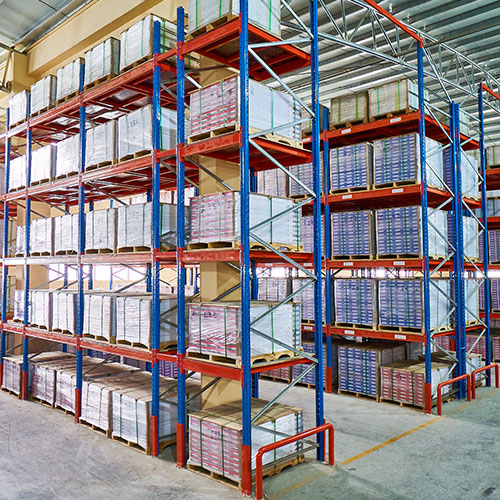
Specialize in heavy duty rack and mezzanine rack.
How to Choose High-Quality Shelves?
I. Before Choosing Shelves, Clarify 3 Core Premises (Avoid Blind Following)
The core logic of choosing shelves is "adapting to needs, balancing safety, and optimizing cost-effectiveness".
Before making a choice, clarify the following 3 key questions to avoid 80% of detours:
1. Scenario Positioning: Are they for warehouse storage , convenience store/supermarket display,
home storage (balcony, garage, wardrobe), or e-commerce shipping temporary storage (high-frequency access)?
Different scenarios have vastly different requirements for shelf load-bearing capacity, size, and structure.
2. Priority of Core Needs: What do you value most? Is it load-bearing capacity ,
space utilization rate (small warehouses/small apartments), assembly flexibility (frequent adjustments needed),
or appearance and texture (for store display)?
3. Environmental Constraints: What is the area, ceiling height, and floor flatness of the installation location?
Do you need to reserve aisle width (consider forklift passage for warehouses)? Is it in a humid environment ?
These directly affect the material and specification selection of shelves.
II. 5 Key Dimensions for Choosing High-Quality Shelves (From Basics to Details)
1. Material: Core Guarantee for Load-Bearing Capacity and Durability
The material of shelves directly determines their load-bearing capacity and service life.
Common materials and applicable scenarios are as follows:
• Cold-Rolled Steel: Currently the mainstream high-quality material, featuring high strength, corrosion resistance,
and excellent load-bearing performance. The surface is usually treated with electrostatic spraying for
rust and moisture resistance.
• Stainless Steel: Extremely corrosion-resistant, suitable for humid, low-temperature, and high-cleanliness environments.
However, it has a higher cost and greater weight.
• Aluminum Alloy: Lightweight and easy to carry, with an attractive appearance and medium load-bearing capacity.
Suitable for home use and light display in convenience stores (e.g., snacks, stationery), but not for storing heavy goods.
• Wooden: Aesthetically pleasing with a warm texture, suitable for store displays.
However, it has weak load-bearing capacity and is prone to moisture absorption and deformation.
Moisture-proof treatment is required, and it is not recommended for long-term storage of heavy goods.
Pitfall Warning: Be wary of "low-cost cold-rolled steel shelves", which may have substandard material thickness
and insecure welding, leading to a significant reduction in load-bearing capacity.
2. Load-Bearing Capacity: Precisely Match Based on Cargo Weight
Load-bearing capacity is the safety bottom line of shelves.
It is essential to "choose with a margin rather than insufficiency"
to avoid shelf deformation or collapse due to overloading.
• Home/Light Commercial Use: For storing snacks, daily necessities, documents, etc.,
with a single-layer load capacity ≤50kg. Simple angle steel shelves or laminate shelves are optional.
• Medium Storage: Supermarket shelves, e-commerce small-item warehouses,
with a single-layer load capacity of 50-150kg. Cold-rolled steel laminate shelves are recommended,
with a laminate thickness of ≥0.8mm.
• Heavy-Duty/Industrial Storage: For storing hardware, building materials, heavy equipment parts,
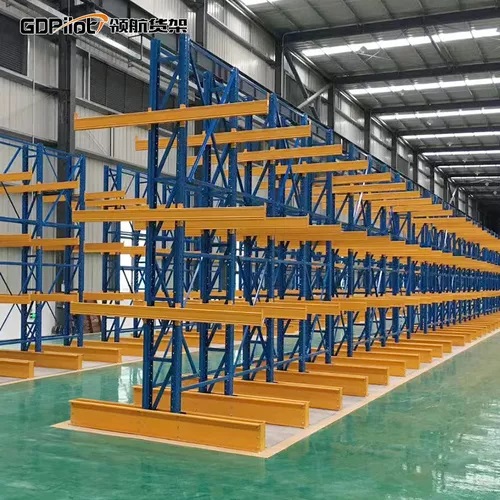
with a single-layer load capacity ≥150kg. Beam-type shelves or heavy-duty warehouse shelves are required.
The column thickness should be ≥1.5mm, the beams should be made of thickened cold-rolled steel,
and equipped with anti-drop buckle design.
Key Tip: When calculating the total weight of goods, reserve a 20% safety margin.
Meanwhile, ensure both the "total load capacity" and "single-layer load capacity" of the shelves meet the standards.
3. Structural Design: Balancing Stability, Flexibility, and Safety
A good shelf structure is not only sturdy but also adaptable to different usage needs. Focus on the following 3 points:
• Stability: Connection method between columns and beams/laminates
(welding > bolt fixing > snap-on, except for home light-duty models);
whether the shelf base is equipped with non-slip foot pads (reducing sliding);
whether high-rise shelves can be equipped with tie bars and diagonal braces (enhancing anti-toppling capacity).
• Flexibility: Whether the laminate height is adjustable (achieved through multi-group hole design)
to facilitate space adjustment according to cargo height; whether assembly is simple without professional tools
(priority for home models); whether it is detachable for transportation (suitable for renters and temporary storage).
• Safety: Whether the edges are rounded (avoiding collisions); whether heavy-duty shelves are equipped with
beam anti-drop devices and laminate anti-displacement buckles; for areas storing fragile items or with frequent
personnel movement, shelves with guardrails can be selected.
4. Size: Adapt to Space and Improve Utilization Rate
Shelf size selection should be "tailor-made" to avoid wasting space due to being too large or
insufficient capacity due to being too small:
• Width: For home shelves, 60-120cm is recommended (excessively wide shelves are prone to shaking).
For warehouse shelves, 120-200cm can be selected according to aisle width and cargo size
(reserve space for forklift or personnel passage, with an aisle width ≥1.2m).
• Depth: Home models are 30-50cm (suitable for wall-mounted placement).
Commercial/warehouse models are 50-80cm (enabling double-sided access or storing deeper goods).
Note that the depth should not exceed 80cm, otherwise, it will be inconvenient to access goods inside.
• Height: Home models should be ≤180cm (safe to access without a step ladder).
Warehouse shelves can be 200-400cm according to ceiling height (needing to be paired with a step ladder or forklift).
However, when the height exceeds 200cm, fixing devices (e.g., wall-mounted fixation) must be installed.
Space Utilization Tip: For small spaces, choose "narrow and deep models + multi-layer design"
(e.g., 30cm deep, 150cm high, 6-layer shelves) to utilize vertical space. Warehouses can adopt "combined shelves"
(multiple sets spliced) paired with pallets to improve storage efficiency.
5. Details and Reputation: Key Indicators of Product Quality
In addition to core dimensions, some details and reputation can reflect the quality of shelves:
• Surface Craftsmanship: Whether the electrostatic spraying of cold-rolled steel shelves is uniform,
without paint peeling or burrs, which not only affects the appearance but also the rust resistance.
• Completeness of Accessories: Whether spare bolts, buckles, foot pads, and other wearing parts are included,
and whether subsequent maintenance and replacement are convenient.
• Brand and Reputation: Prioritize well-known brands with good user reviews.Focus on user feedback on key
information such as "whether load-bearing capacity meets standards", "whether it is prone to deformation",
and "whether assembly is convenient", and avoid products with concentrated negative reviews.
III. Shelf Recommendations for Different Scenarios (Precise Matching, Avoid Pitfalls)
Usage Scenario | Recommended Shelf Type | Core Requirements |
Home Storage (Balcony/Garage) | Angle Steel Shelves, Simple Laminate Shelves | Adjustable laminate height, easy assembly and disassembly, single-layer load capacity 50-100kg |
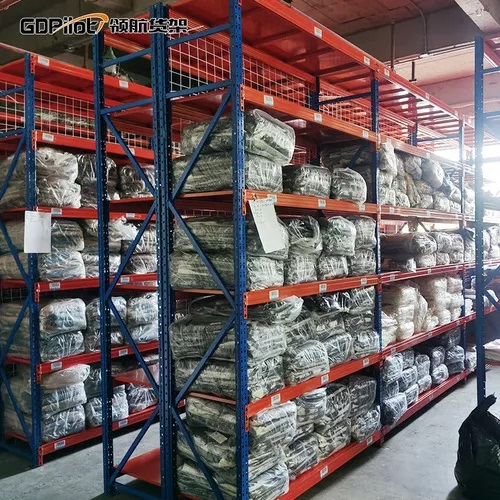
Convenience Store/Supermarket | Backnet Supermarket Shelves, Laminate Display Shelves | Attractive appearance, laminate load capacity 50-80kg, easy to clean |
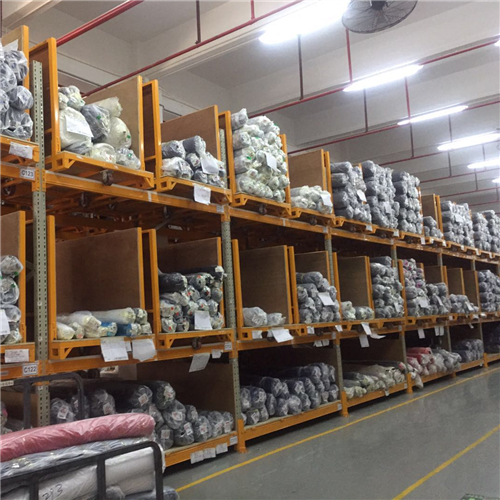
E-Commerce Small-Item Warehouse | Medium Laminate Shelves, Mezzanine Shelves | High space utilization rate, adjustable, total load capacity ≥500kg |
Heavy-Duty Industrial Warehouse | Beam-Type Heavy-Duty Shelves, Pallet Racking | Single-layer load capacity ≥300kg, stable structure, equipped with safety buckles |
Food/Cold Storage | Stainless Steel Shelves, Rust-Proof Cold-Rolled Steel Shelves | Corrosion-resistant, easy to clean, compliant with food storage standards |