16 years of experience in the warehousing equipment industry
A comprehensive enterprise integrating research and development, production, sales, and installation

WE MAKE RACKING PROFESSIONAL
Specialize in heavy duty rack and mezzanine rack.
Heavy Duty Racks: The Backbone of Efficient Warehousing & Industrial Stor
What Are Heavy Duty Racks?
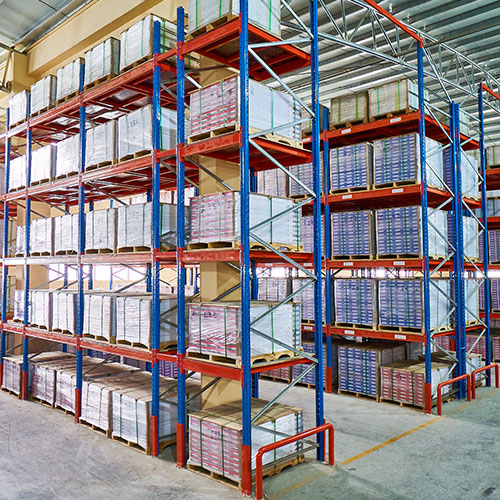
Heavy duty racks, as the name suggests, are industrial storage structures engineered to support heavy loads—typically ranging from 500 kg to several tons per shelf level. Unlike light or medium duty racks used for smaller, lighter items, heavy duty racks are constructed with high-grade materials such as thick-gauge steel, ensuring exceptional sturdiness, durability, and load-bearing capacity. They are designed to leverage vertical space, allowing warehouses to store more items without expanding their physical footprint, which is crucial in areas where real estate costs are high.
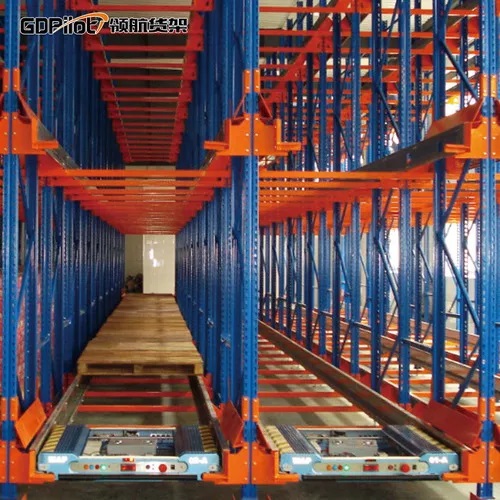
Common types of heavy duty racks include selective pallet racks (the most widely used), drive-in/drive-through racks, cantilever racks (ideal for long and bulky items), and push-back racks. Each type is tailored to specific storage requirements, offering flexibility to adapt to different inventory characteristics and operational workflows.
Key Benefits of Heavy Duty Racks
1. Exceptional Load-Bearing Capacity: The primary advantage of heavy duty racks is their ability to safely support heavy and bulky items such as pallets of raw materials, industrial equipment, large cartons, and machinery parts. This eliminates the risk of rack collapse and inventory damage, ensuring a safe working environment.
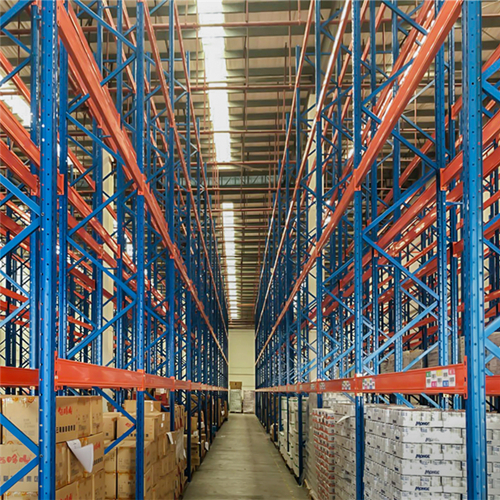
2. Maximized Space Utilization: By utilizing vertical space effectively, heavy duty racks significantly increase storage density. This means businesses can store more inventory in the same floor space, reducing the need for additional warehouse expansion and lowering rental or construction costs.
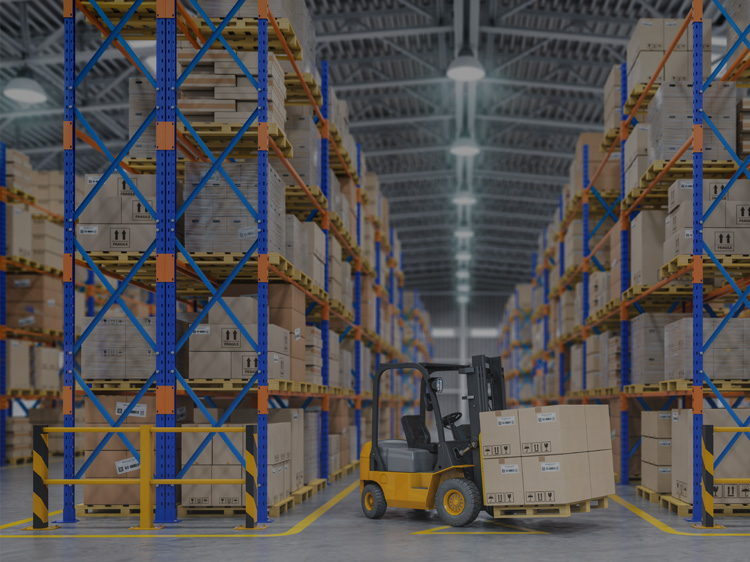
3. Enhanced Operational Efficiency: Heavy duty racks are designed to integrate seamlessly with material handling equipment such as forklifts, pallet jacks, and reach trucks. This facilitates quick and easy access to inventory, reducing loading and unloading times, minimizing labor costs, and improving overall workflow efficiency.
4. Durability & Longevity: Constructed from high-quality steel and treated with anti-corrosive coatings (such as powder coating), heavy duty racks are resistant to wear, tear, moisture, and rust. This ensures a long service life, making them a cost-effective investment in the long run.
5. Flexibility & Customization: Most heavy duty racks are modular in design, allowing for easy adjustment of shelf heights to accommodate different item sizes. They can also be customized to fit specific warehouse dimensions and storage requirements, making them suitable for a wide range of industries.
6. Improved Inventory Management: With organized storage provided by heavy duty racks, businesses can implement efficient inventory tracking systems. Each pallet or item has a designated space, reducing the risk of misplacement, simplifying stocktaking, and ensuring accurate inventory control.
Applications of Heavy Duty Racks
Heavy duty racks are versatile and find applications across various industries, including:
• Manufacturing: Used to store raw materials (such as steel coils, aluminum sheets, and plastic pellets), work-in-progress items, and finished goods (such as machinery, automotive parts, and appliances).
• Logistics & Distribution: Essential for distribution centers handling large volumes of palletized goods, enabling quick sorting, loading, and delivery of products to retailers or customers.
• Retail: Large retail chains and supermarkets use heavy duty racks in their back-end warehouses to store bulk inventory before it is moved to the sales floor.
• Construction: Used to store construction materials such as steel beams, pipes, lumber, and cement bags, which are heavy and require secure storage.
• Agriculture & Food Processing: Ideal for storing large quantities of agricultural products (such as grains, fruits, and vegetables) and food processing materials in a safe and organized manner.
• Automotive: Used to store automotive parts, tires, and vehicles in manufacturing plants and dealership warehouses.
Key Considerations When Choosing Heavy Duty Racks
When selecting heavy duty racks for your business, it’s important to consider the following factors:
1. Load Requirements: Determine the maximum weight of the items you need to store per shelf level. This will help you choose a rack system with the appropriate load-bearing capacity.
2. Warehouse Dimensions: Measure the available floor space, ceiling height, and aisle width to ensure the racks fit perfectly and allow easy movement of material handling equipment.
3. Inventory Characteristics: Consider the size, shape, and type of inventory (e.g., pallets, long items, bulky equipment) to select the right type of heavy duty rack (e.g., selective, cantilever, drive-in).
4. Material Quality: Opt for racks made from high-grade steel with anti-corrosive treatments to ensure durability and longevity, especially in harsh environments (e.g., humid warehouses).
5. Compliance with Safety Standards: Ensure the racks meet local and international safety standards (such as ANSI/RMI, FEM) to guarantee a safe working environment for your employees.
6. Supplier Reliability: Choose a reputable supplier with experience in designing and installing heavy duty rack systems. Look for suppliers who offer customization options, installation services, and after-sales support.
Conclusion
Heavy duty racks are an indispensable asset for businesses looking to optimize their storage space, improve operational efficiency, and ensure the safe storage of heavy inventory. With their exceptional load-bearing capacity, durability, and flexibility, they cater to the diverse needs of various industries, from manufacturing and logistics to retail and construction. By carefully considering your load requirements, warehouse dimensions, and inventory characteristics, you can select the perfect heavy duty rack system that aligns with your business goals and delivers long-term value. Invest in high-quality heavy duty racks today and take the first step towards building a more efficient and productive warehouse operation.