16 years of experience in the warehousing equipment industry
A comprehensive enterprise integrating research and development, production, sales, and installation

WE MAKE RACKING PROFESSIONAL
Specialize in heavy duty rack and mezzanine rack.
Smart Warehousing Upgrade: Scientific Shelving Layout Unlocks New Heights in Warehouse Storage Efficiency
In today's fast-paced logistics and supply chain environment, warehouse storage is no longer simply "piling up goods,"
but a core element determining a company's operating costs and turnover efficiency. From traditional scattered stacking to
the application of modern shelving systems, scientific storage solutions can maximize warehouse space utilization,
reduce goods damage, and create a more competitive warehousing system for businesses.
The core pain points of warehouse storage often focus on three main areas: wasted space, chaotic goods management,
and low access efficiency. Many companies, in their initial planning stages, neglect shelving selection and layout design,
resulting in insufficient warehouse capacity and a large amount of unused vertical space. Mixed stacking of different types of goods
not only increases sorting difficulty but also easily leads to damage issues such as collisions and moisture. Manual handling and
disorderly storage methods directly reduce inbound and outbound efficiency, affecting order delivery time.
To solve these problems, choosing the right shelving system and optimizing the storage layout are key.
To precisely match different types of goods, warehouse structures, and storage and retrieval needs,
the market offers a variety of storage racks:
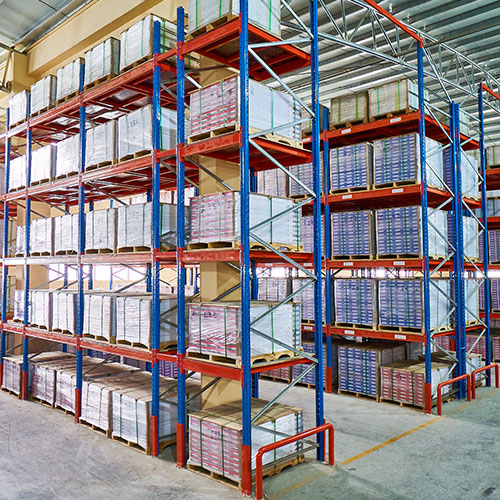
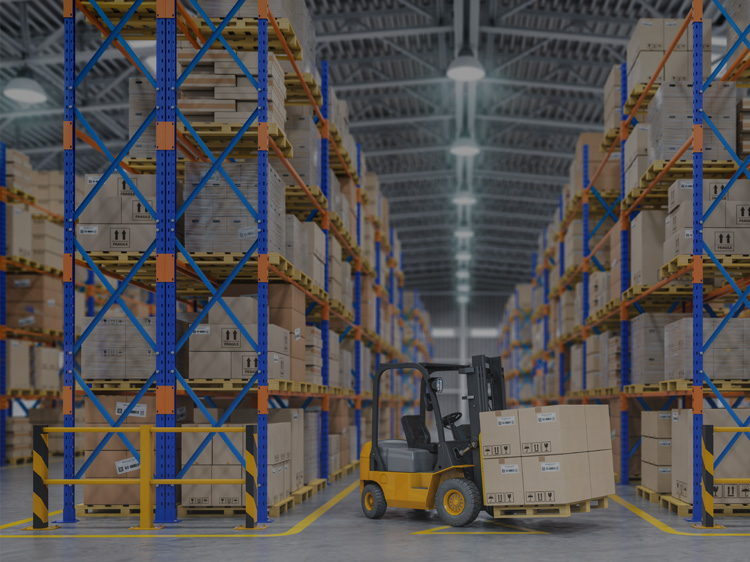
Heavy-duty beam racks: As the "mainstay" of industrial warehousing, they are suitable for storing palletized goods, heavy machinery,
building materials, and other heavy, bulky items. Their stable structure and high load-bearing capacity support rapid forklift access,
making them the first choice for high-turnover warehouses.
Mezzanine racks: Designed specifically for warehouses with high ceilings, these racks fully utilize vertical space by building two
or more mezzanine platforms. They can be used to store light to medium-sized goods, small e-commerce items, etc.,
achieving "three-dimensional warehousing" and significantly increasing storage space.
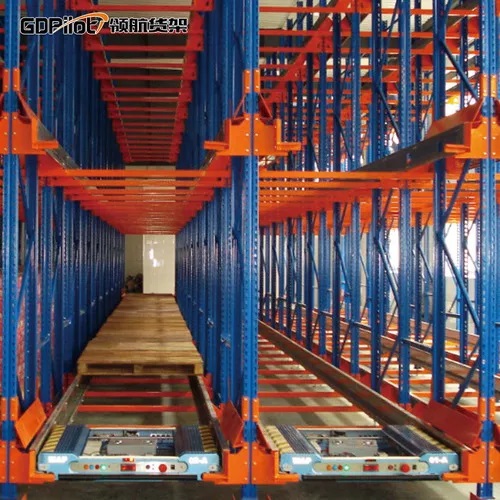
Shuttle racks: Combining automation technology, shuttles can autonomously run on rack tracks to complete the storage, retrieval,
and handling of goods, reducing manual intervention. They are particularly suitable for low-temperature warehouses and
high-density storage scenarios, significantly improving operational efficiency.
Gravity racks: Employing a roller-type slide design, goods can be automatically replenished by gravity, achieving a
"first-in, first-out" (FIFO) management model. They are commonly used for temporary material storage next to production lines
and e-commerce sorting centers, accelerating the flow of goods.
Beyond shelving selection, meticulous storage management is equally essential. Businesses can achieve clear goods movement
by dividing the warehouse into functional areas, such as receiving, storage, sorting, and outbound zones; utilize a WMS
(Warehouse Management System) for barcode management of goods, monitor inventory quantity and location in real time,
and prevent inventory backlog or shortages; simultaneously, implement moisture-proof, fire-proof, and rust-proof treatments
based on the characteristics of the goods to ensure safe storage.
Modern warehouse storage is an organic combination of space, equipment, and management. Whether it's raw material storage
for manufacturing companies or the massive turnover of goods on e-commerce platforms, a scientific storage solution can help
businesses reduce costs and increase efficiency, gaining a competitive edge in the fierce market. In the future, with the continuous
integration of automation and intelligent technologies, warehouse storage will continue to upgrade towards greater efficiency and precision.